Choosing a Fastener Finish: Plain, Zinc Electroplating or Galvanizing
LFF Group 4 min read

A fastener that corrodes loses strength and becomes hard to remove. The right finish depends on where the fastener will live: inside a dry plant, outdoors, or in salty coastal air.
Plain (black) finish
Plain or black-finished fasteners have little corrosion protection on their own. They suit parts that will be fully embedded in concrete, painted after installation, or used indoors in dry conditions.
Zinc electroplating
Electroplating deposits a thin layer of zinc that protects the steel underneath, usually followed by a passivation treatment for extra resistance. Because the coating is thin, threads still fit standard nuts. It is a good, economical choice for indoor and mildly corrosive environments.
Hot-dip galvanizing
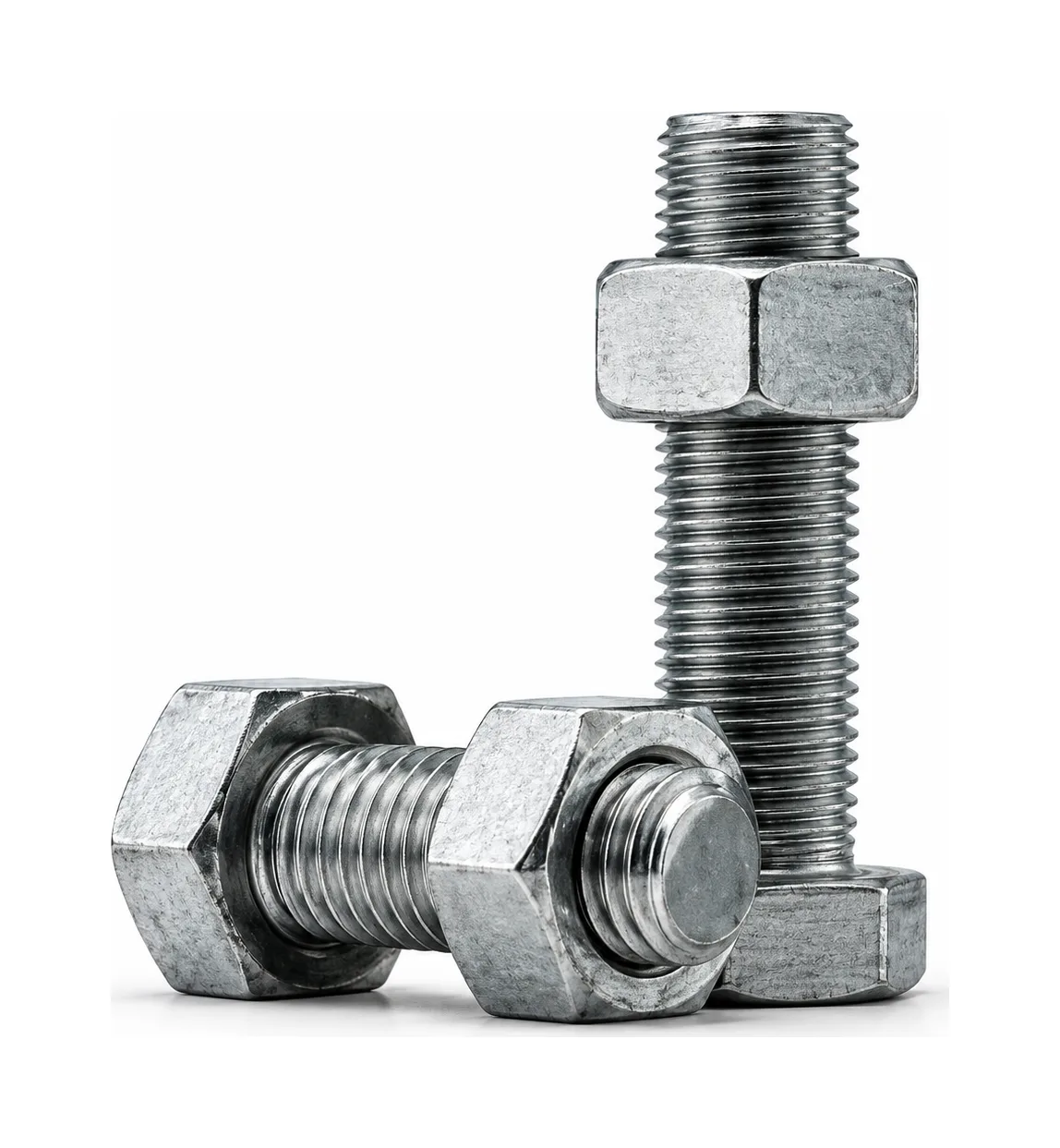
Galvanizing dips the fastener in molten zinc, building a much thicker coating. It gives longer protection outdoors and in harsher environments, but the extra thickness means nuts must be tapped oversize to fit galvanized bolts.
Quick guide
- Embedded in concrete or painted on site: plain
- Indoor plant, machinery, mild environments: zinc electroplated
- Outdoor structures, solar plants, coastal and port sites: heavier protection such as galvanizing — or stainless steel where specified
LFF runs its own electroplating line — zinc, nickel, chrome and copper plating plus specialty finishes — with galvanizing options, so finishing is controlled alongside manufacturing.