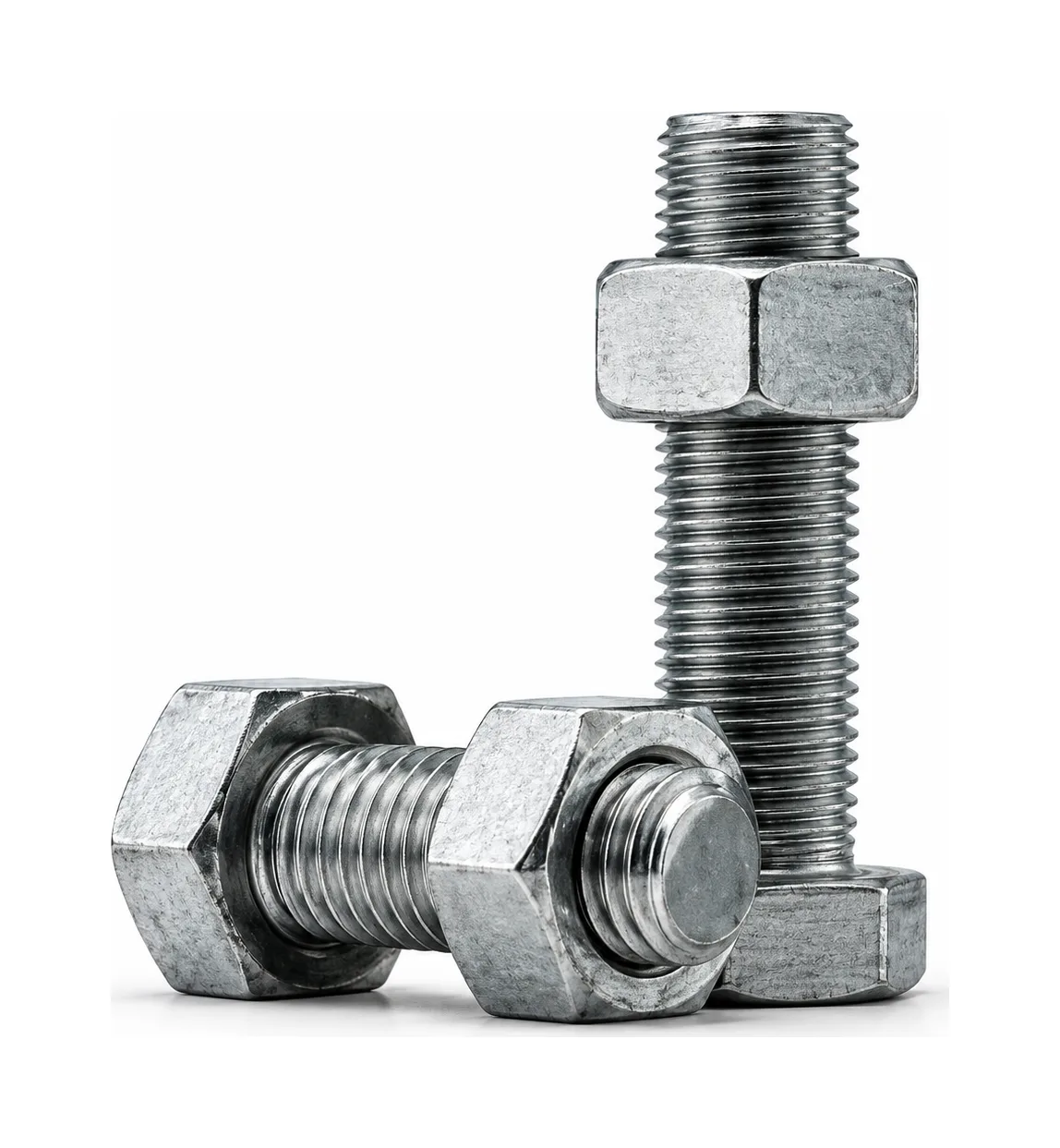
Foundation Bolts Explained: J-Type, L-Type and Plate Anchor Bolts
LFF Group 4 min read
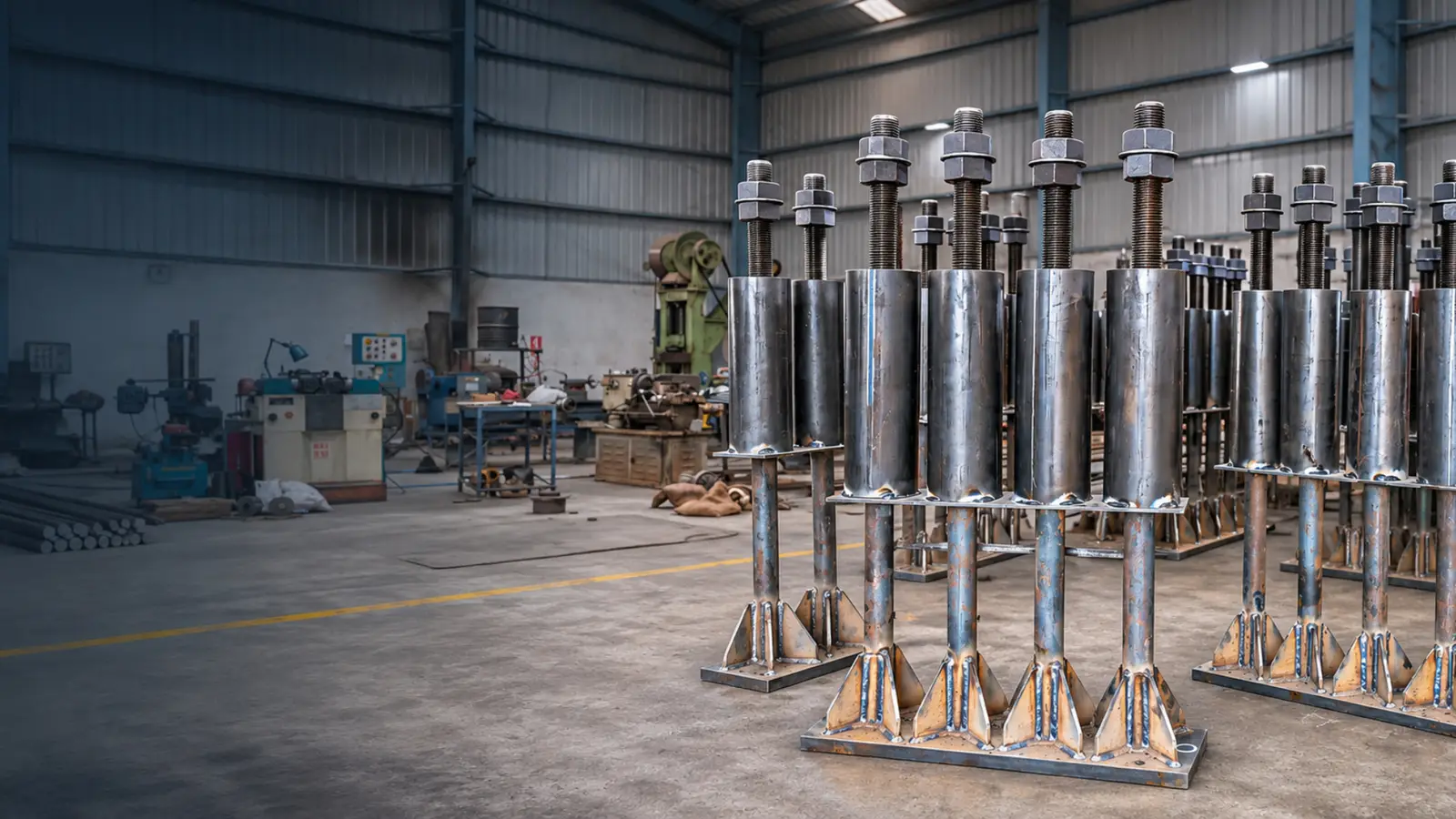
Foundation bolts — often called anchor bolts — are cast into a concrete foundation to hold down steel columns, machinery, tanks and other structures. Once the concrete has cured they cannot be adjusted or replaced easily, so choosing the right shape, size and grade before the pour matters.
J-type foundation bolts
A J-type bolt has its embedded end bent into a hook. The hook gives the bolt grip in the concrete so it resists being pulled out. J-bolts are widely used for light to medium structures such as sheds, pipe supports and smaller equipment bases.
L-type foundation bolts
An L-type bolt has a 90° bend at the embedded end. The horizontal leg bears against the concrete and resists pull-out. L-bolts are a common choice for steel building columns and general structural work.
Plate-type anchor bolts
A plate anchor bolt carries a steel plate — welded or held by a nut — at its embedded end. The plate spreads the load over a larger area of concrete, so this type is used where uplift and vibration loads are high: heavy machinery, crane rails, port equipment and tall structures.
What to check before ordering
- Diameter, overall length and embedment length — from your structural design
- Thread length: enough for the base plate, grout, washers and levelling nuts
- Grade: mild steel for light duty, high tensile where the design calls for it
- Finish: plain for fully embedded parts; electroplated or galvanized where exposed
- Whether you need complete sets with nuts and washers, and a setting template
In India, foundation bolts are commonly specified to IS 5624, and project specifications may also reference BS, ASTM or DIN standards. LFF manufactures J-type, L-type and plate-type foundation bolts to IS, BS, ASTM and DIN standards and supplies them as complete sets with nuts and washers.